
Specialist Courier Services for Shipping Sodium Ion Batteries
Sodium ion batteries are becoming increasingly common in technology and are used in various products from electric vehicles to industrial equipment. More and more businesses have reason to transport and ship sodium ion battery packs, but as the commercial transport of batteries is highly regulated, you need to work with providers who are qualified in the compliant shipping of dangerous goods.
If your company needs to transport or ship sodium ion batteries in the UK, you have questions about sodium ion battery temperature ranges or shipping batteries in general, you’re in the right place. At Jag Express, we are experts in specialist courier services like hazardous goods transport, biotech and pharmaceutical and more. We can help you establish a compliant shipping solution for battery shipping, including sodium ion batteries in the UK.
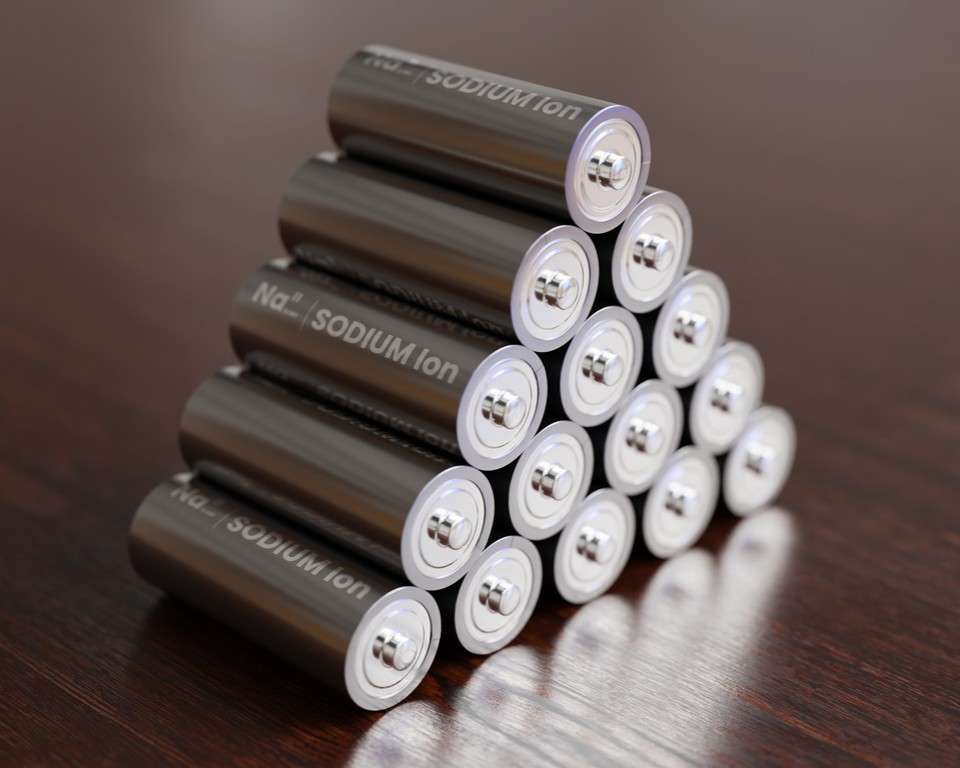
What are Sodium Ion Batteries?
Sodium ion batteries are a type of rechargeable battery that use sodium ions in storing and releasing energy. While they differ in materials to lithium ion batteries, they work in a similar way – ions move between positive and negative electrodes during charging and discharging.
We are often asked why are sodium ion batteries safer than lithium ion, but the reality is that sodium ion is more appealing to manufacturers because the sodium used in production is abundant and cost-effective, unlike the lithium, cobalt and nickel needed to make lithium batteries. Hence, the reason for the growing popularity of sodium ion batteries is due to economics rather than safety.
As of 2026, sodium ion batteries are considered Class 9 dangerous goods in the UK, and need to be handled and shipped with couriers who understand dangerous goods shipping protocols.
Advantages and Disadvantages of Sodium Ion Batteries
What are the benefits of sodium ion batteries over other battery types?
Advantages
- Sodium is cheap and widely available, making this product cheaper to produce than alternatives
- Performs well at cold temperatures
- Production doesn’t require nickel or cobalt, making supply chain easier
- Low fire risk and thermal stability
Disadvantages
- Shorter life span than other types of batteries
- Heavier and bulkier than the equivalent capacity of lithium ion batteries
- Relatively new to market so there are fewer manufacturers
- Less suited to portable electronics
Shipping Sodium Ion Battery vs Lithium Ion Battery
Sodium ion battery shipping has its own regulatory framework, so it’s important to be fully aware of the implications of transporting goods that contain this battery type.
Before shipping sodium ion batteries, you have to comply with the rules in the following areas:
- Packaging
- Labelling
- Documentation, including classification codes
- Charge level
These guidelines are set out by multiple regulatory bodies, including the IATA Dangerous Goods Regulations, and differ based on the mode of transport (eg air, sea or road).
Sodium Ion Battery Shipping: What You Need to Know
Getting your shipment prepared correctly is key to avoid customs rejections, delays or penalties. Here’s what you need to do to safely and efficiently ship your products:
- Ensure you get the classification code correct – this is essential to ensure there aren’t any problems during the shipping process. We can help you determine the correct classification number.
- Determine the correct packing instruction and labelling, and ensure the goods are packed correctly in accordance with it.
- Complete the required paperwork. If you’re unsure which paperwork is needed, feel free to contact us for assistance.
- Submit everything to the carrier to approval prior to shipping.
Our team is available to help every step of the way, so please contact us with any questions.

Why this matters for your business
As of 2026, sodium ion battery shipping is regulated, so it’s important to work with a courier who has updated protocols, systems and documentation to comply with current rules. It’s essential that staff have been trained in the new regulations so they have handle these products correctly.
Out of date documentation or SOPs can lead to delays at customers or shipments being refused entirely. Choosing a courier who understands the current sodium ion battery shipping framework, instead of using paperwork meant for lithium batteries, is essential to ensure smooth delivery.
At Jag Express, we take pride in keeping our compliance processes current with new legislation and regulation changes, so your shipments move without unnecessary delay or risk.